Top 8 museums to visit
 Museum of the City, Noumea
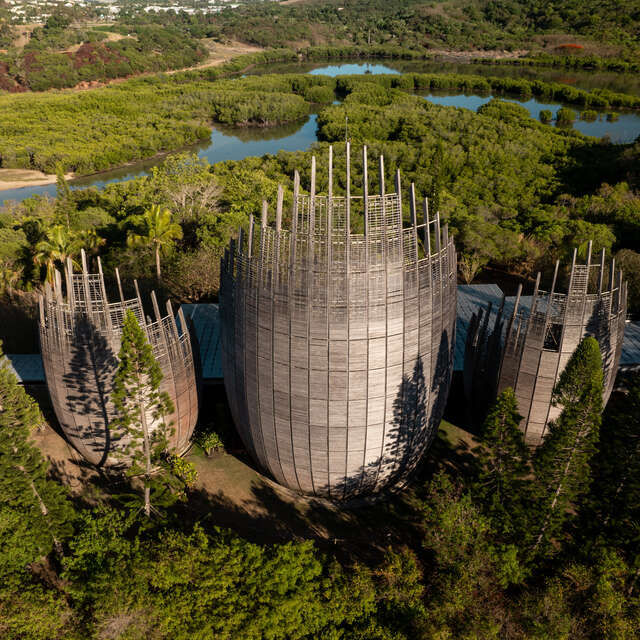
 Aerial view of the Tjibaou Cultural CenterMuseum of the City, Noumea
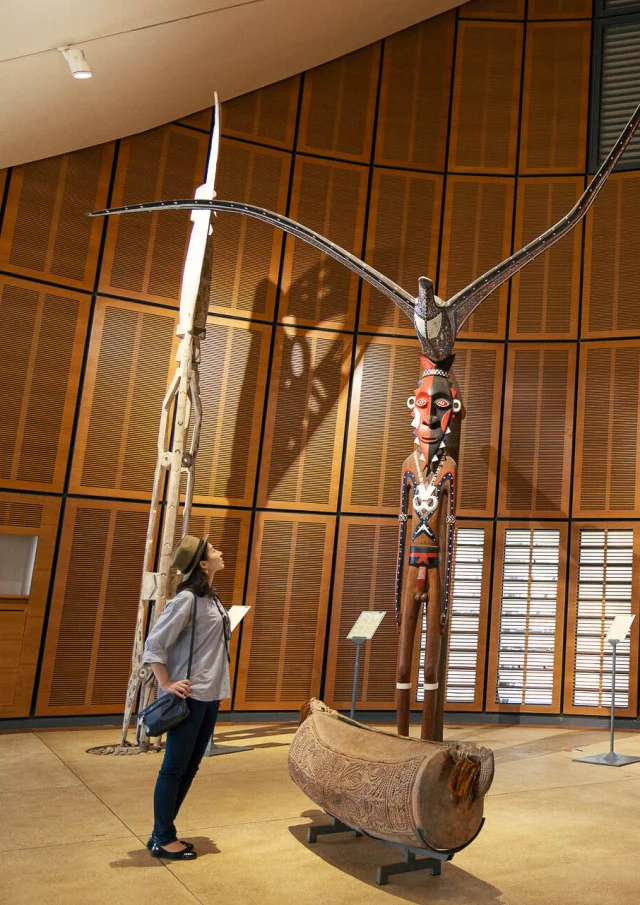
 Traditional Kanak sculpture
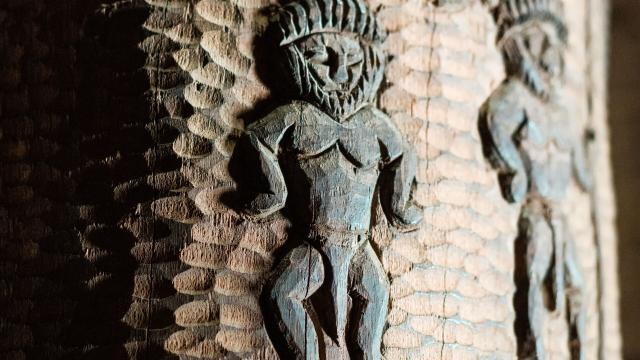
The fully renovated Musée de la Nouvelle-Calédonie will reopen in 2026. This museum houses one of the world’s finest collections of Kanak art, representing decades of accumulation. Additionally, it features a remarkable collection of Oceanic artefacts, offering a glimpse into the cultural wealth of the South Pacific, from West Papua to Eastern Polynesia.
 Tjibaou Cultural Centre in Noumea
 Exhibition at the Tjibaou Cultural Center
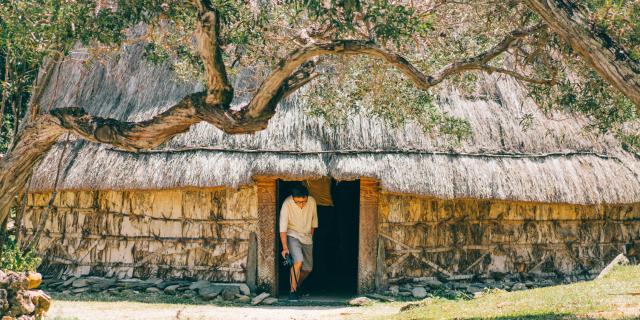 Traditional Kanak hut at the Tjibaou Cultural Center
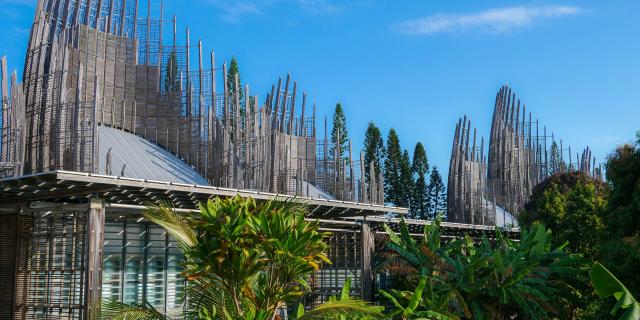
A must-visit for those eager to grasp the customs and traditions of the Kanak tribes, the Tjibaou cultural centre combines an art centre, a museum, performance spaces, a media library, and a charming park within the backdrop of a mangrove swamp. Amidst columnar pines and renowned architect Renzo Piano’s monumental huts, the centre unravels the beauty of Melanesian culture.
 クリスマス・イルミネーションを楽しむ
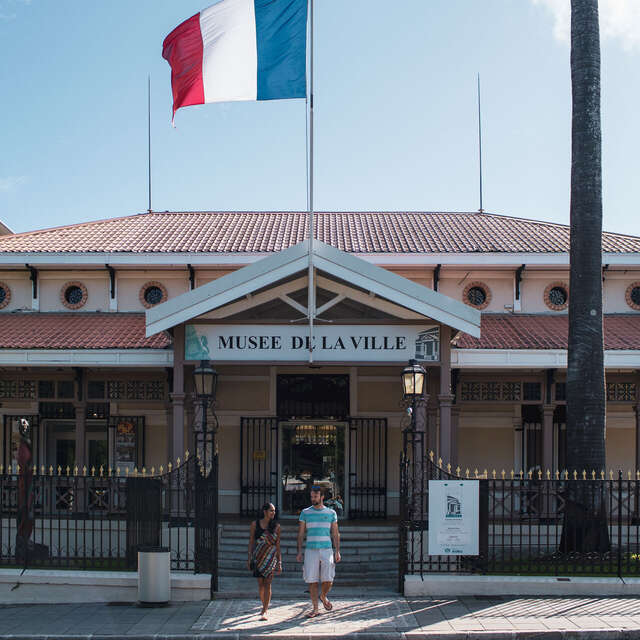
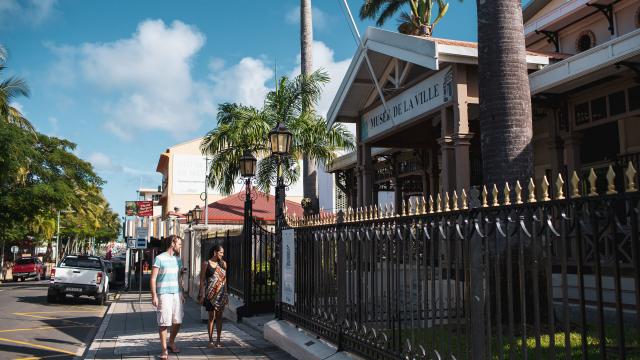
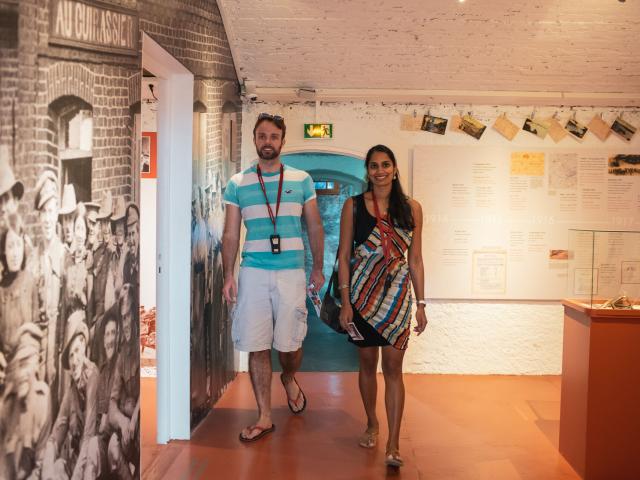 Museum of the City of Nouméa
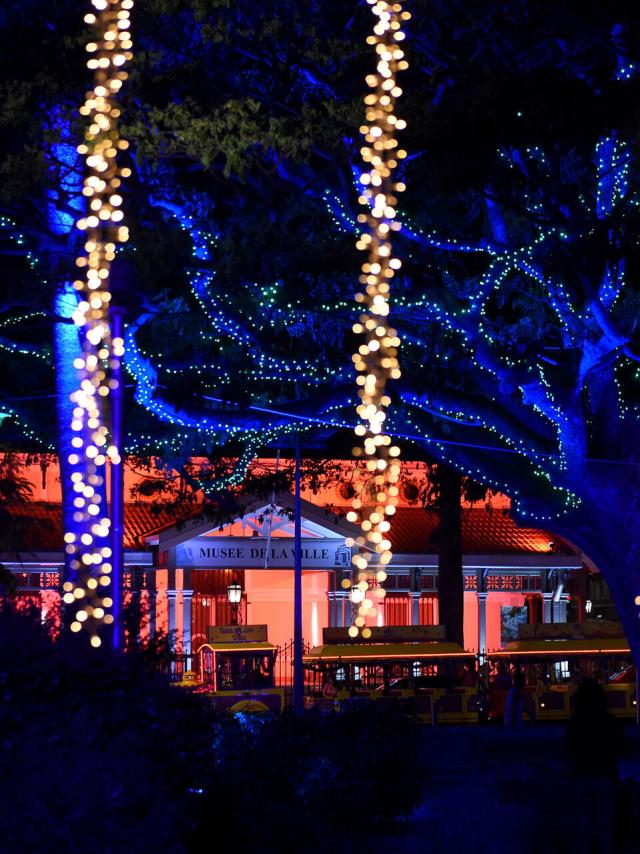
Housed in a historic building constructed in 1874, which once served as New Caledonia’s first bank, this museum is an opportunity to reconnect with the history of New Caledonia and the city of Nouméa. Explore its permanent exhibitions, which delve into life from 1890 to 1910 and the war years, while its botanical garden at the rear showcases Nouméa’s 1900s garden essences.
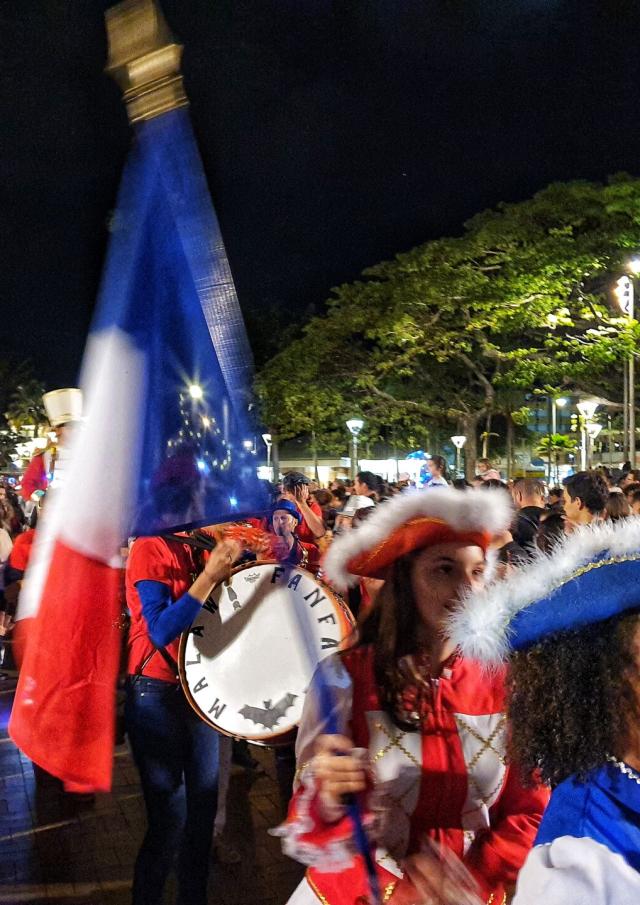
Every year, the town’s museum lights up throughout December during the lights festival (Fête de la Lumière).
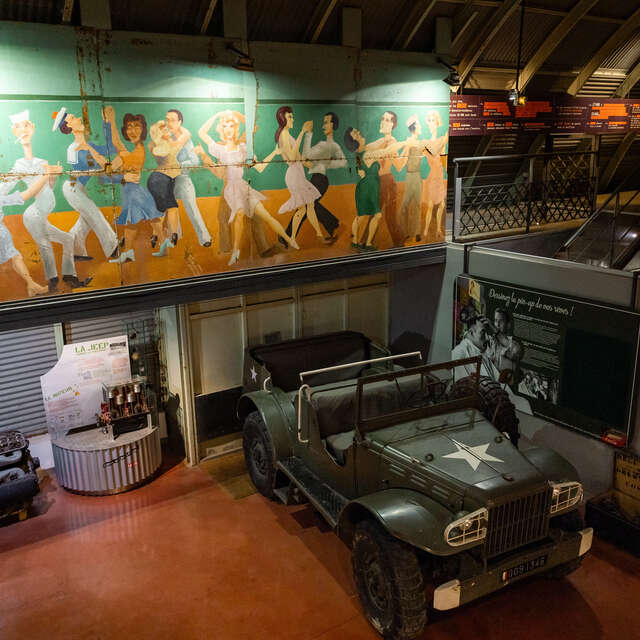
 World War II Museum in Noumea, New Caledonia
Step back into the Pacific War years at Nouméa’s World War II Museum, set inside a former American “half-moon” hut (a Quonset-style building). From 1942 to 1945, New Caledonia became a major Allied staging post, hosting nearly a million American, Australian & New Zealand troops. Through objects, photos and personal stories, you’ll see how locals — including Kanak volunteers — rallied to Free France, and how the sudden American presence reshaped everyday life across the territory.
Keep an eye out for Nuit des Musées (Museum Night), when an animated, slightly offbeat tour offers a fresh way to explore the site after dark.
With a strong focus on ocean exploration and New Caledonia’s maritime history, this museum offers a voyage into the rich maritime heritage of the region. Discover the extraordinary collection from the La Pérouse expedition and over 2,000 archaeological objects from New Caledonian shipwrecks.
And don’t forget: the Maritime Museum offers regular events for children.
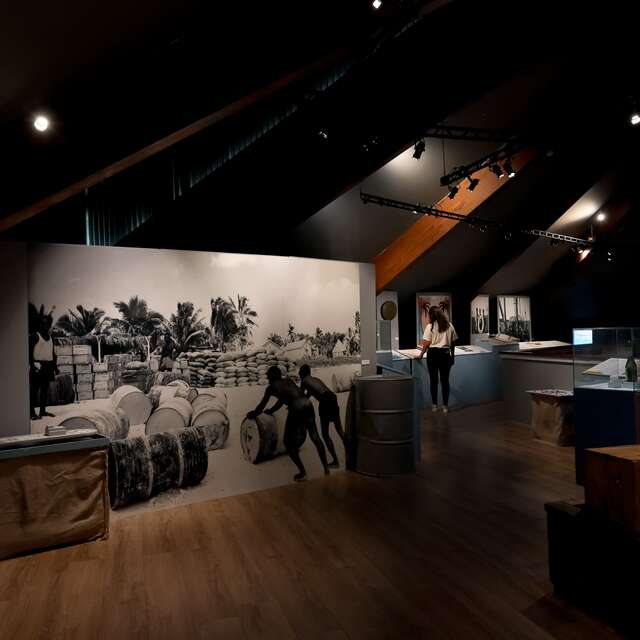
Welcoming you with the remains of an antique steam locomotive, this museum provides insights into New Caledonia’s mining history. Explore the birth of Thio village, the trades at the mine, and the mechanisation of nickel mining through historical photos and exhibited objects. The museum also offers guided tours of the mine monthly.
Every month, the museum organises a guided tour of the mine. Places are limited, so book early!
 Mining Museum, Thio
 Exhibition at the Mine Museum in Thio
 Exhibition at the Bourail Museum, West Coast
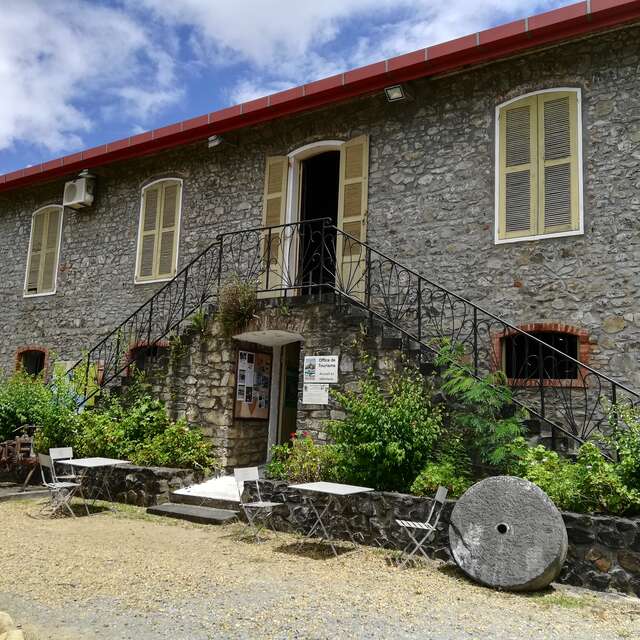
 Bourail Museum, West Coast
Situated in a historic stone building at the entrance of the village, this museum explores the history of the Bourail-La Foa region. It covers various eras, from petroglyphs to World War II, delving into the traditions of the Orôwé and Neku tribes and life in the agricultural penitentiary. The museum offers a moving immersion to understand the history of the settlement of the Bourail-La Foa region.
On-site creative workshops (basketry, painting, pottery) are a regular feature of their programme.
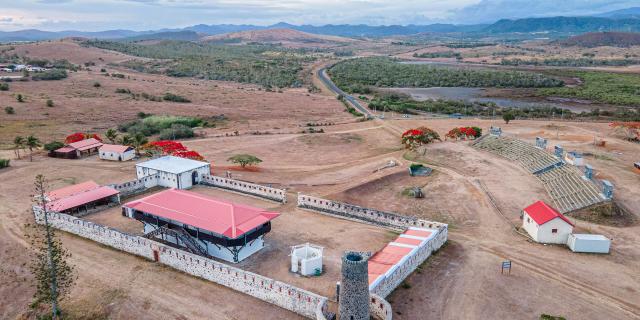 Fort Teremba, Moindou
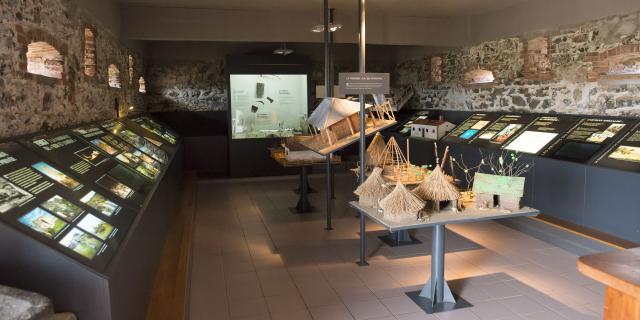 Fort Teremba, Moindou
 The Sound and Light Festival at Fort Teremba in Moindou
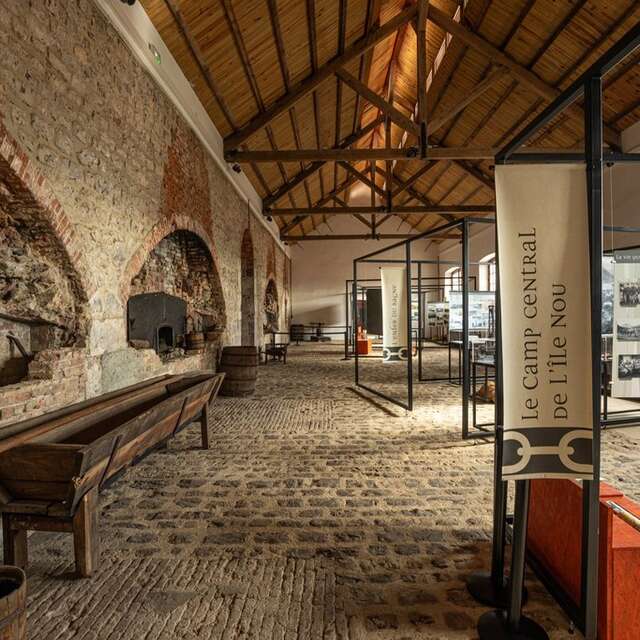
A vestige of the late 19th-century penal colonisation, Fort Teremba is a place steeped in history. The main building houses an open-air museum that serves as a reminder of New Caledonia’s penal colony and colonisation.
A highlight of the fort’s life is the ‘Sounds and Lights’ show, held every year in June.